Unbiased advice you
can rely on.
Technical excellence
in every report.
Delivering clarity for
better decisions.
Supporting projects
Australia-wide.
QLD EPP Noise Explained | Acoustic Quality Objectives
The Environmental Protection (Noise) Policy 2019 (Qld) establishes the framework for managing environmental noise and protecting the acoustic environment throughout Queensland.
A key component of the policy is the use of Acoustic Quality Objectives (AQOs), which are intended to protect the environmental values of sensitive receiving environments, including residential areas, educational facilities, healthcare facilities and recreational spaces. AQOs are commonly considered during planning assessments, environmental impact assessments and acoustic investigations where noise impacts may affect surrounding land uses.
Developers, businesses, infrastructure providers and project teams may be required to assess potential noise impacts against applicable Acoustic Quality Objectives as part of development approvals, environmental assessments or compliance obligations. Acoustic assessments are used to evaluate noise emissions, identify potential impacts and support informed planning and operational decision-making.
AACG assists developers, architects, planners, businesses and project teams with acoustic assessments and compliance reporting to evaluate projects against applicable Queensland environmental noise requirements.

Assessment of proposed developments to support planning approvals and council submissions.

Assessment of environmental and operational noise impacts associated with residential, commercial and industrial developments.
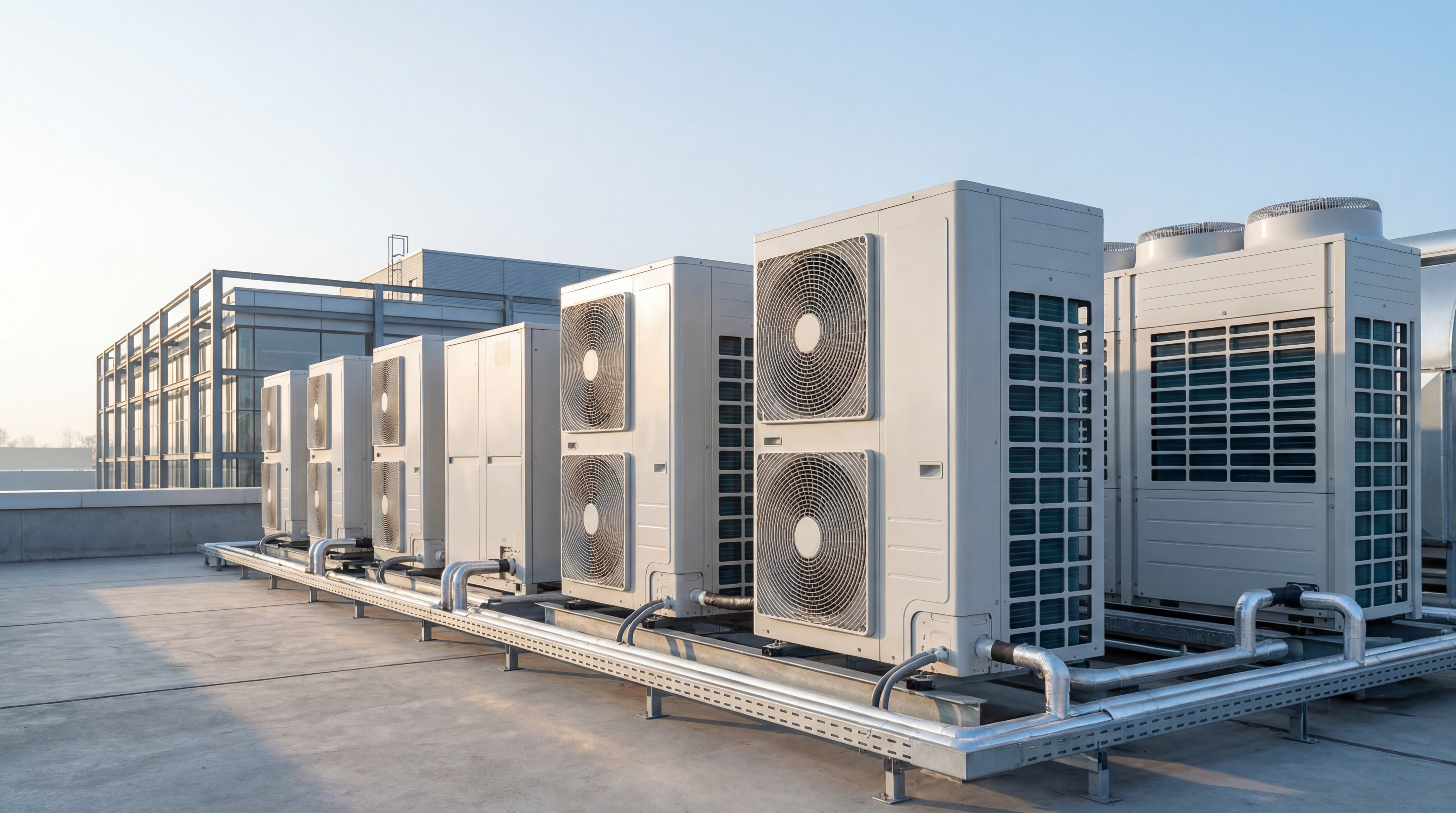
Assessment of air conditioners, HVAC systems, cooling towers, exhaust systems and other building services equipment.

Assessment of proposed developments to support planning approvals and council submissions.

Assessment of floor impact noise, airborne sound insulation and acoustic compliance issues within residential buildings.

Assessment of aircraft, road traffic and rail noise affecting residential and commercial developments.
What Are Acoustic Quality Objectives?
Acoustic Quality Objectives (AQOs) are environmental noise objectives established under the Environmental Protection (Noise) Policy 2019 (Qld).
AQOs are intended to protect the environmental values of sensitive receiving environments by establishing noise objectives for different types of land uses and activities.
AQOs are commonly considered when assessing:
Commercial developments
Infrastructure projects
Mixed-use developments
Mechanical plant and HVAC systems
Entertainment and hospitality venues
Transport-related projects
Existing operational facilities
Noise Impact assessable developments
Operational noise assessments
Environmental authority applications
Related Queensland Legislation & Requirements
Local Government Planning Schemes
Planning for Noise Control (Guideline 51)
Environmental Protection Act 1994
State Development Assessment Provisions
Project review and scope confirmation
Site inspection
Noise monitoring and background noise assessment
Acoustic modelling
Compliance assessment and mitigation strategy
Report preparation
Brisbane, Gold Coast, Sunshine Coast, Ipswich, Logan, Redlands, Moreton Bay, Toowoomba, Bundaberg, Hervey Bay, Maryborough, Gympie, Rockhampton, Gladstone, Mackay, Bowen, Airlie Beach, Townsville, Ayr, Ingham, Charters Towers, Cairns, Mareeba, Atherton, Port Douglas, Cooktown, Mount Isa, Emerald, Blackwater, Moranbah, Clermont, Biloela, Chinchilla, Dalby, Roma, Warwick, Stanthorpe, Kingaroy, Caboolture, Morayfield, North Lakes, Springfield, Ripley, Redbank Plains, Pimpama, Ormeau, Yarrabilba, Flagstone, Maroochydore, Buderim, Caloundra, Noosa, Nambour, Toowoomba, Bundaberg, Hervey Bay, Rockhampton, Gladstone, Mackay, Townsville and Cairns.
Fee proposals for smaller projects are typically issued same-day or within 24 hours.

Independent acoustic consulting for residential, commercial, industrial and infrastructure projects across Australia.